
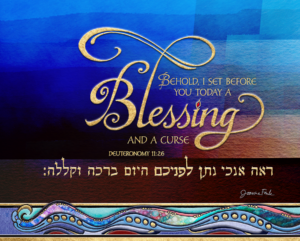
Parashat Re’eh reminds us that our choices matter. As Elul approaches, we are invited to practice cheshbon hanefesh—an accounting of the soul—to see where we are, envision where we hope to go, and open our hearts to possibility through prayer, reflection, journaling, and creativity.
Creative Process
Listening with Love

This week, Parashat Va’etchanan, Shabbat Nachamu, and Tu B’Av invite us to move from heartbreak toward consolation—and from listening toward love. The Shema reminds us that listening is a sacred practice that can deepen connection, understanding, and hope.
Counting the Omer: A Spiritual Journey
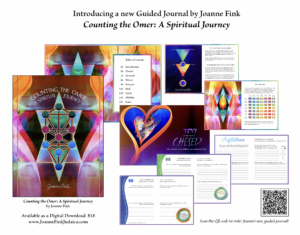
The seven-week journey from Pesach to Shavuot invites us into reflection, growth, and spiritual awakening. In this post, I’m sharing a new resource I created—Counting the Omer: A Spiritual Journey—a guided journal filled with weekly sefirot teachings, daily prompts, blessings, reflections, and artwork to deepen the Omer practice.
Striving for Equanimity
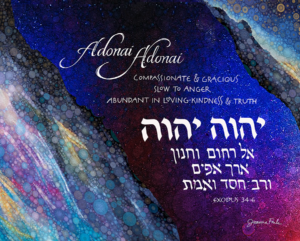
Parashat Ki Tisa reminds us that life is not a story of perfection but of breaking and repairing. When the Israelites shattered faith with the Golden Calf, God revealed the Thirteen Attributes of Compassion — teaching us that even in our most difficult moments, we are invited to return to our best selves. This week’s reflection explores compassion, resilience, TNBC awareness, and the sacred work of showing up with presence and love.
In the Beginning: A Journey of Creation and Illumination
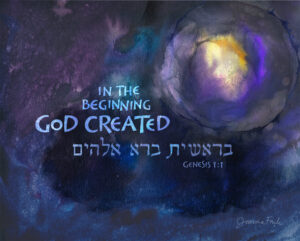
As we begin the Torah anew with B’reishit, I’m reflecting on creation, creativity, and the practice of Visual Midrash—interpreting sacred text through art. Join me in exploring how color, prayer, and intention can illuminate the Divine spark within each of us.
Justice, Justice Shall You Pursue

This week’s Torah portion, Shoftim, opens with the command “Tzedek, tzedek tirdof — Justice, justice shall you pursue” (Deut. 16:20). In the Torah, when a word appears twice, we are taught to pay special attention. The doubling of “justice” reminds us that pursuing justice is not optional, but central to who we are. As Elul begins, Shoftim calls us to reflect inwardly and act outwardly — using our unique gifts to help create a more inclusive, compassionate, and just world.