
Parashat Shoftim | Deuteronomy 16:18–21:9
Elul has begun, inviting us into the annual process of teshuvah as we prepare for the High Holy Days.
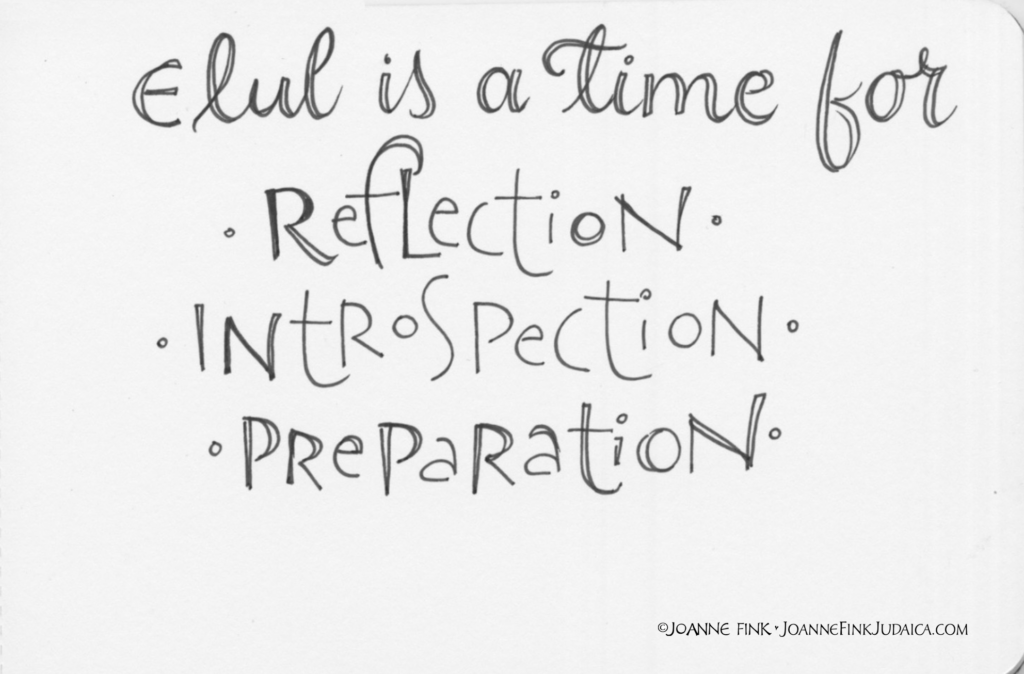
In my Zoom Havurah, we meet on Wednesday nights throughout Elul for reflection, introspection, guided journaling, and spiritual practice. This year, our Elul Exploration is focusing on four words:
Reflect. Release. Repair. Return.
They offer a pathway through the process of teshuvah—a word often translated as repentance, but which literally means return.
We don’t suddenly arrive at Rosh Hashanah transformed. Elul gives us time to pause, pay attention, take stock, and begin turning toward the people we want to become.
And this week’s Torah portion, Shoftim, offers a powerful place to begin.

The Work Begins with Seeing Clearly
Shoftim opens with instructions to appoint judges and officials who will govern the people with justice:
“Justice, justice shall you pursue.”
In Torah, repetition often invites us to pay special attention. The doubling of the word justice in Parashat Shoftim has held my attention for years. In the Visual Midrash section of my new book, Illuminated Journey, I included a spread showing some of the different ways I have explored this verse over time.
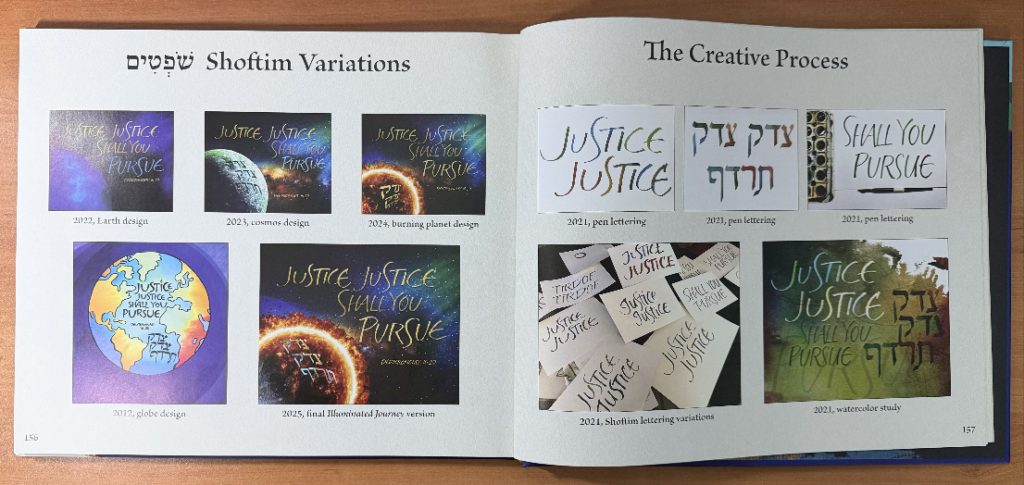
But every time I return to this parashah, the word that strikes me most is pursue.
Justice is not something we simply value. It is something we have to actively seek and work toward.
The same is true of teshuvah.
We cannot change what we are unwilling to see.
Before we can release what no longer serves us, repair what has been damaged, or return to what matters most, we first have to recognize where we are.
Jewish tradition invites us to use Elul for cheshbon hanefesh—literally, an “accounting of the soul.”
I like thinking about it as an honest inventory rather than a judgment: looking back at what brought meaning and joy, what was difficult, where we lived according to our values and where we missed the mark, how we have grown, and what we want to carry with us into the year ahead.
An honest accounting includes more than our mistakes. It asks us to notice where we have grown, recognize choices we are proud of, give thanks for the people and experiences that have enriched our lives, and identify what we want to bring with us into the coming year.
Reflection is not the destination.
It is the place from which we begin.
When we see ourselves and our lives more clearly, we can make more intentional choices about what comes next.
Here is my prayer for Parashat Shoftim:
Turning
As we embark on a journey of t’shuvah,
may reflection, introspection, and soul-searching
lead us to discover our sacred purpose
and inspire us to set intentions
to make a difference in the world.
As we turn, return, and repent,
may the cry for justice
spur us into action
and kindle a flame of hope
within each of our hearts.
As we seek connection
to the Source of All,
may we recognize that
we have missed the mark
time and time again,
and may this recognition
spark the soul growth
that enables us to
return to our true selves.
May this sacred, spiritual journey
light the way to a future based on
equality, justice, hope, and peace,
and help us grow into the best people
we are capable of being.
Reflect. Release. Repair. Return.
Over the coming weeks of Elul, I will be exploring four stages of this journey, and I invite you to explore them with me. You are welcome to join my Havurah on the remaining Wednesday evenings—August 19 and 26 and September 2—from 9:30–11:00 p.m. Eastern. There is no charge to attend, but you must register to receive the link.
REFLECT — Look back and look within. Pay attention to where you have been and who you are becoming.
RELEASE — Consider what you no longer need to carry with you.
REPAIR — Pay attention to what needs healing, apology, forgiveness, reconciliation, or change.
RETURN — Reconnect with your values, your relationships, your deepest self, and your understanding of the Sacred.
These steps aren’t necessarily linear. We may reflect and discover something that needs repair. We may begin to release something and realize there is more we need to understand. We turn, return, and begin again.
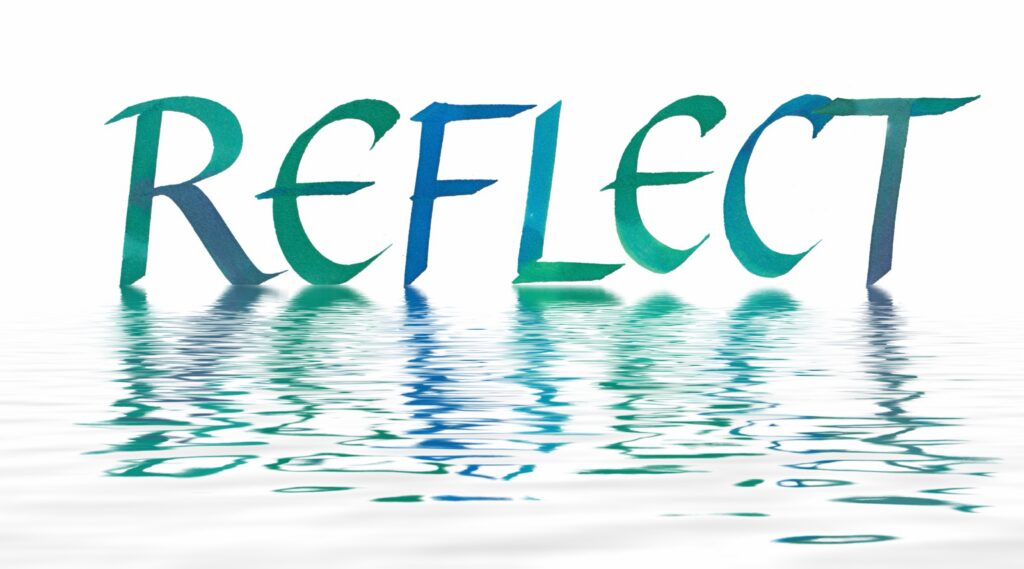
This week, we begin with REFLECT.
Creating a Daily Elul Practice
I find Elul more meaningful when I choose one simple practice to return to each day throughout the month. It needs to be something that doesn’t add much time to my already overflowing to-do list. The goal is simply to create a little space to pause, pay attention, and reconnect with what matters.
You might choose to blow or listen to the shofar, read Psalm 27, pray, meditate, journal, spend time in nature, practice gratitude, offer a blessing, sit in silence, listen deeply, or intentionally perform an act of kindness.
You don’t need to do all of them.
Choose one practice—or perhaps two—that you can realistically return to throughout the month.
It might mean writing in a journal, stepping outside for a few quiet moments, naming three things you are grateful for, or taking time to really listen to someone you love.
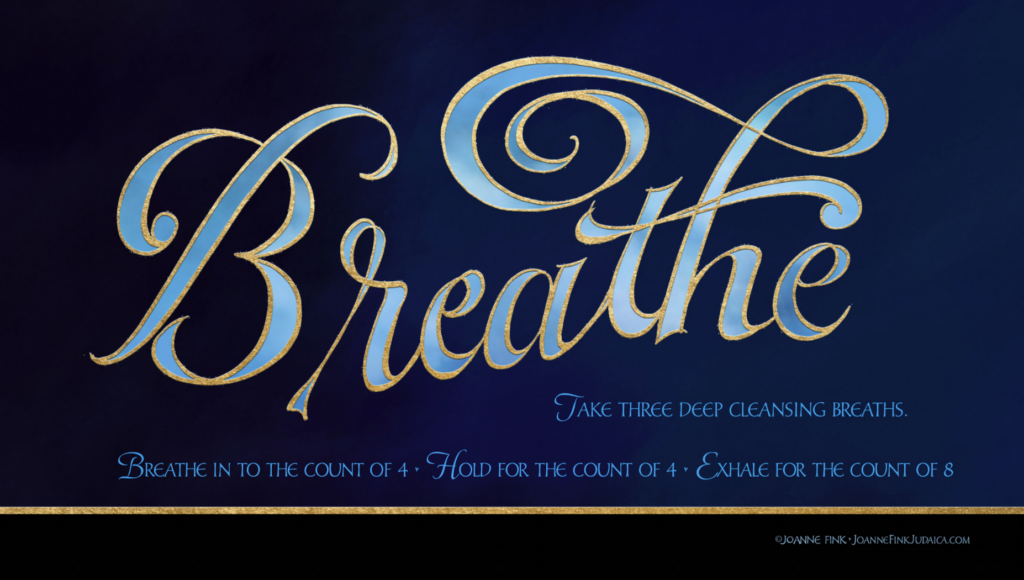
And if you’re not sure where to begin, begin with your breath.
Before reflection, release, repair, or return, we can simply make space.
Small practices, repeated with intention, have the power to shape a journey.
Elul Exploration: REFLECT
If you’d like to join me in this week’s practice, you are welcome to download and print my REFLECT journaling page and spend some time with these questions:
As you look back over the past year, what brought you purpose, meaning, and joy?
What happened that you found especially challenging, painful, or disappointing?
How have you grown this year? What did you learn about yourself—and about what truly matters to you?
What from this past year do you want to carry with you into the year ahead?
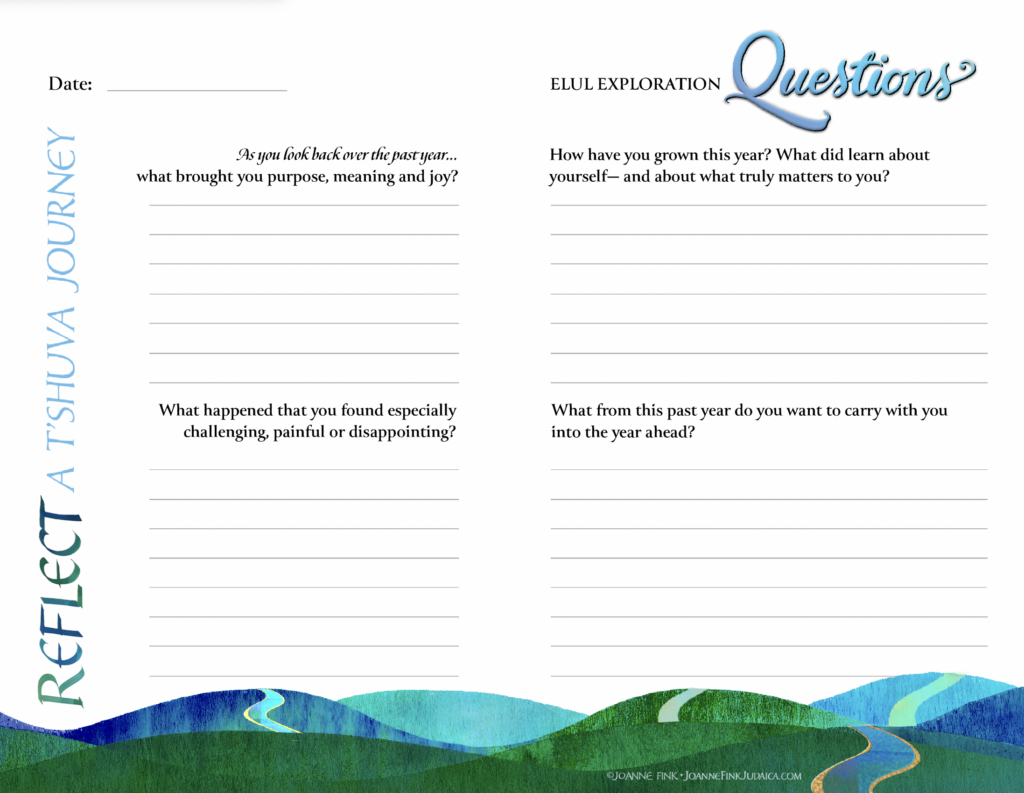
You don’t need to answer everything at once. Pick a question. Sit with it. Write, draw, walk, breathe, or simply notice what arises.
The purpose isn’t to reach the “right” answer.
It is to begin paying attention.
One Last ZenScribe Reminder
The opportunity to create a free ZenScribe commemoration in memory of someone you love ends Saturday, August 15, at 11:59 p.m. Pacific Time.
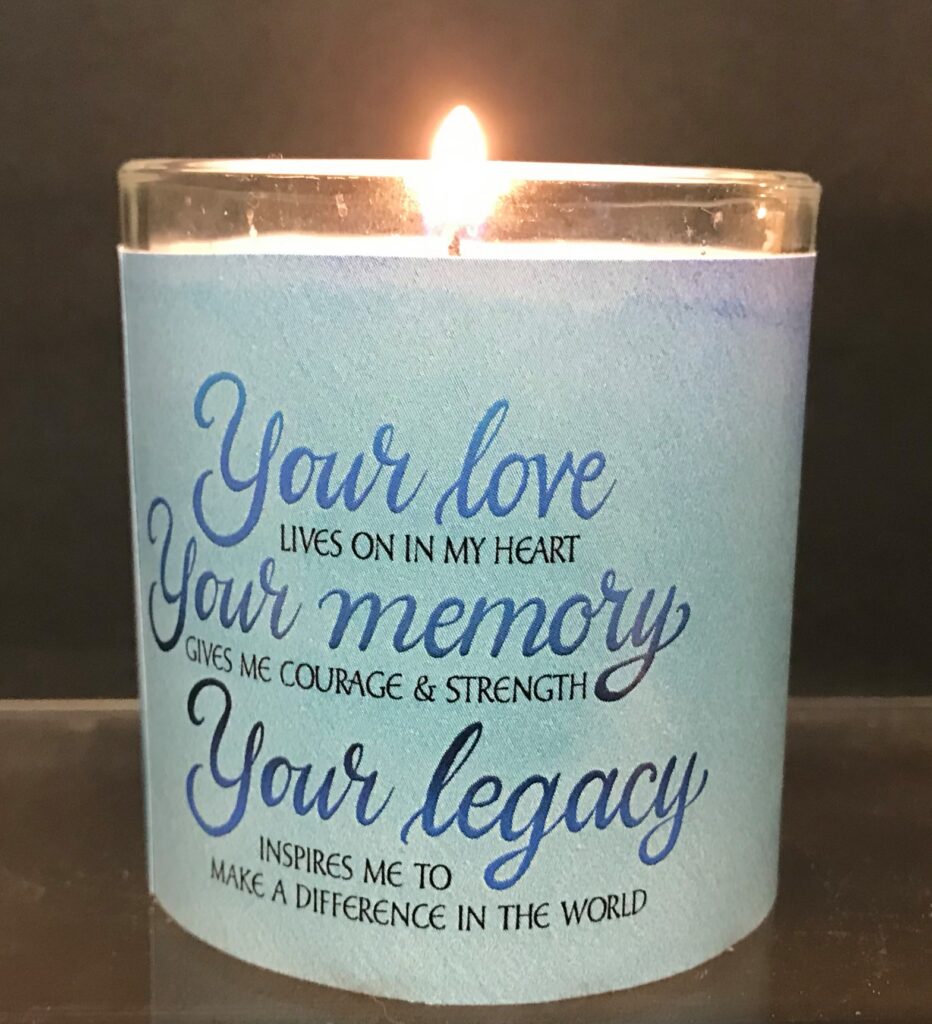
Visit MyZenScribe.com, choose a memorial design or one of our new personalized yahrzeit candle wraps, and customize it in memory of someone you love. When you’re ready to download your finished piece, use coupon code REMEMBER15 to receive one memorial or candle-wrap design free.
If you’re new to ZenScribe and would like a little help getting started, I’ve created two short tutorials:
Creating a Commemoration in ZenScribe
Creating a Beautiful Memorial Tribute
The new personalized yahrzeit candle wraps can be customized with your loved one’s name and life dates and wrapped around a yahrzeit candle, offering another meaningful way to honor their memory.

Remembering those who helped shape us can also be part of the sacred work of looking back.
Closing Blessing
May we find the courage to look honestly at the year behind us.
May we recognize our growth as well as where we missed the mark.
May we give thanks for the blessings that have sustained us.
May reflection lead to greater awareness,
awareness to intention,
and intention to meaningful change.
And may each small practice, each conscious choice, and each step we take during Elul help illuminate our journey of return.
Enjoyed this post? Sign up to receive Joanne’s blog directly in your inbox.