
Holding Sorrow and Joy • Month of Adar • Parashat Vayakhel
This week, I am sitting with the weight of the world alongside the obligation of joy.
The Talmud teaches: Mi’shenichnas Adar marbim b’simcha — “When Adar enters, joy increases.” We are commanded — commanded — to be joyful. But it can feel hard to be joyful when antisemitism is on the rise. When war continues to rage. When many people are grieving, struggling with health challenges, burdened by financial stress, loneliness, unemployment, and so much more.
As I grapple with my daughter’s recent terminal diagnosis of stage four triple negative breast cancer, I have been struggling to maintain a sense of equilibrium, much less find joy. And joy becomes even more elusive when we cannot ignore the rise in violence directed at the Jewish community. In the past two weeks, bullets penetrated three synagogues in the Toronto area, and yesterday, there was a terrorist attack at Temple Israel in West Bloomfield, Michigan. It’s just too much!
How do we intentionally choose joy when our hearts are heavy and the world seems to be spinning out of control?
Finding Joy: Where to Begin
When I need to find my way back to joy in dark times, I return to a few practices that have helped me stay grounded:
Community. Vayakhel reminds us that holiness is built together. The Mishkan did not arise from one person’s effort, but from many hearts, many hands, many offerings. In difficult times, community helps hold what feels too heavy to carry alone. When we gather to pray, to sing, to study, to grieve, or simply to be present for one another, we strengthen the sacred fabric that binds us together.
Gratitude. Jewish tradition teaches us to bless — to notice, to name, to thank. In moments of fear or uncertainty, gratitude can help return us to what is still holy: love that endures, beauty that persists, kindness that continues to appear. Gratitude does not erase hardship, but it can help us meet it with a steadier heart. Keeping a gratitude journal is a great way to focus on what’s going right, rather than what isn’t.
Prayer. Our ancestors did not wait for life to become easy before turning toward the Holy One. They prayed in exile, in fear, in grief, and in hope. Prayer does not always change our circumstances, but it can change the way we carry them. It can steady the heart, deepen connection, and remind us that we are held by something larger than ourselves.
Creative Expression. To intentionally use our innate gifts to express what is in our hearts — especially in times of darkness — is a profound act of faith. Whether we choose paint, words, color, music, fabric, or prayer, intentional creativity can help move us into a flow state and reconnect us with beauty, purpose, and possibility.
Illustrated Torah
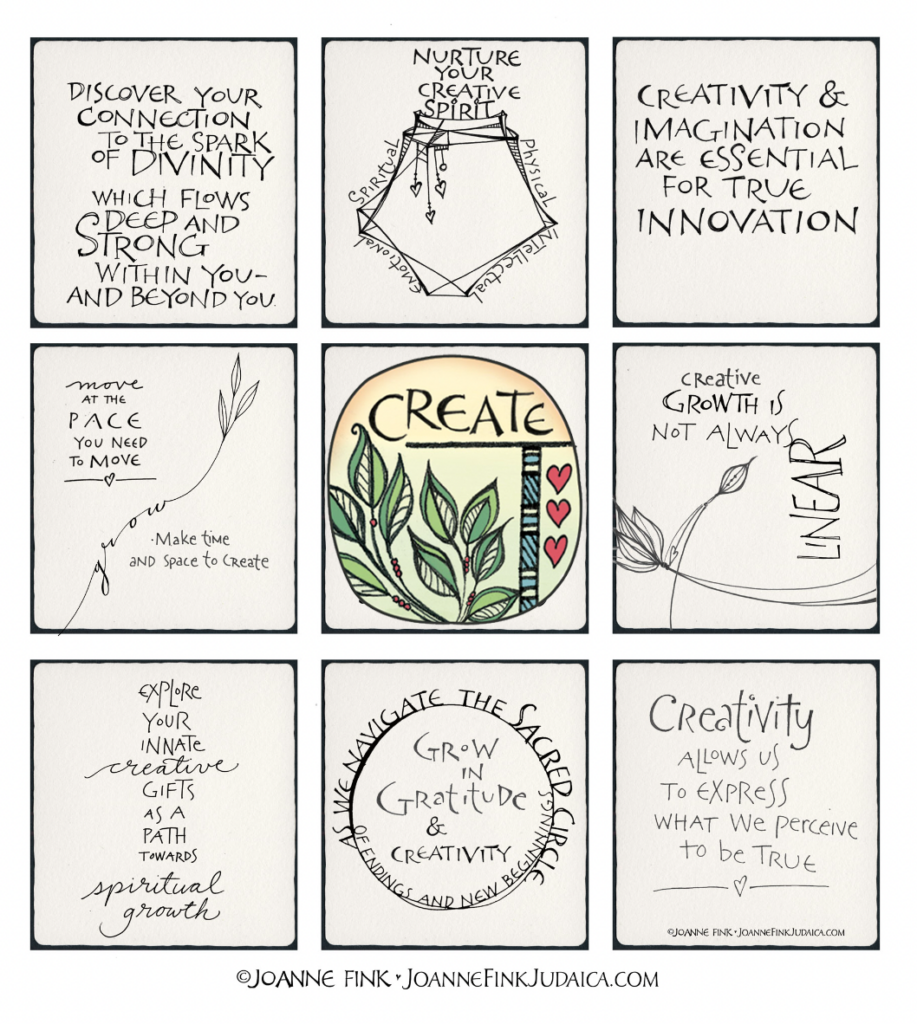
This week’s Torah illumination is Exodus 35:29, a verse that reminds us that sacred community is built from willing hearts and generous spirits.
“Everyone whose heart inspired them to generosity brought the offering of God for the work of the tent of meeting.”

This verse comes as the Israelites begin the work of building the Mishkan.
They do not wait until life is simple.
They do not wait until all uncertainty has passed.
They do not wait until they feel perfectly safe, perfectly ready, or perfectly whole.
They bring what they can.
They offer what they have.
They build anyway.
That feels like a sacred teaching for this moment.
When the world feels frightening, we are still called to create.
When our hearts feel tender, we are still called to give.
When hatred rises, we are still called to strengthen the fabric of community.
Even in uncertain times, our offerings matter. Even small acts of beauty, compassion, and connection can help create a dwelling place for holiness.
My prayer for this week is one I revised recently, called Evolving Tapestry. It speaks to the thread of promise that binds us to those who came before us — and to the sacred work of weaving our own lives into that ongoing story. In troubled times, I find comfort in remembering that I am part of something larger than myself. I belong to a people shaped by memory, resilience, compassion, and hope.
My prayer for this week:
Evolving Tapestry
Source of Freedom, Harbinger of Hope—
show me the thread of promise
that inexorably ties me to the generations
whose strength and sacrifice
have been stitched into the very fabric of my soul.
Allow me to weave some small portion
of my life’s story
into the evolving tapestry of my ancestry.
Help me remember that Shleimut —
the sense of inner peace I seek —
will come more easily
when I honor my legacy
and help weave the threads
of humanity, history, hardship, and hope
into the fabric of family and community.
Holding Sorrow and Joy
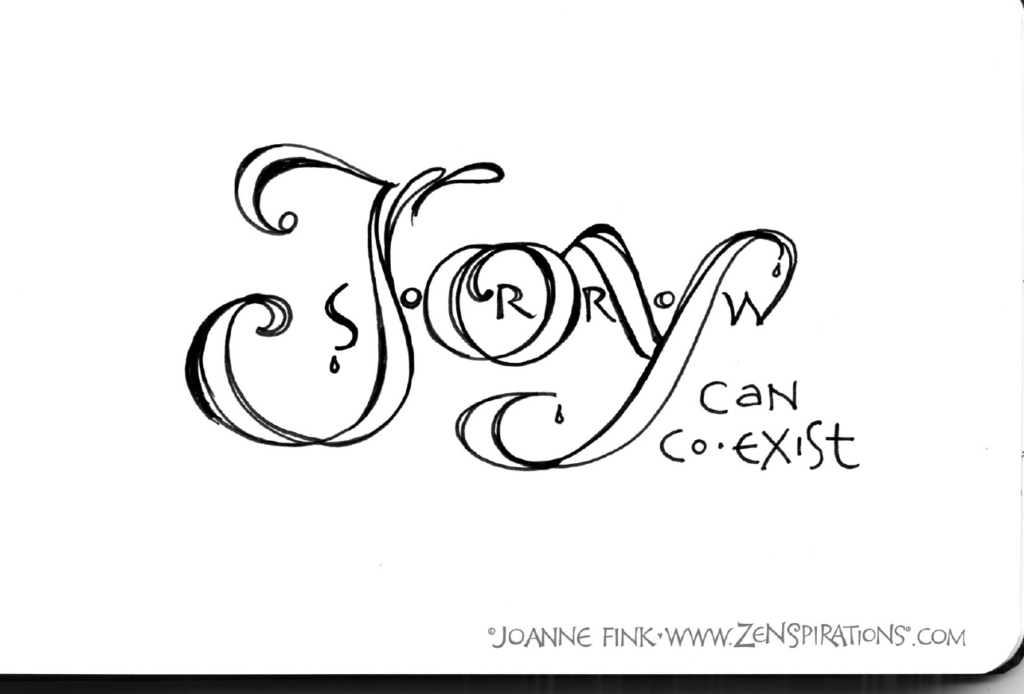
The tapestry of our lives is not woven from only brightly colored threads.
It is made of contrast.
Of crossings.
Of strength and tenderness.
Of grief and beauty, stitched side by side.
Perhaps that is what Adar asks of us this year.
Not to pretend there is no darkness —
but to keep weaving beams of light.
Not to silence our sorrow —
but to make room for joy alongside it.
Not to wait for the world to become peaceful
before we sing, gather, bless, or create —
but to do those things now,
because the world so urgently needs them.
Journaling Prompts
This week, I invite you to sit with both the heaviness and the holiness — to hold them together, as we are called to do in Adar.
1. The Weight You Are Carrying
• What fears or griefs are you holding right now — personally, communally, or about the world?
• What does it feel like to name them, rather than push them aside?
• Is there anything you need to release, or do you need to simply let yourself feel?
2. The Roots That Hold You
• When you think about the generations of Jews who faced fear and uncertainty before you — and survived — what do you feel?
• What part of your ancestors’ resilience lives in you?
• How does knowing you are part of a larger, enduring story affect you right now?
3. Choosing Joy
• What is one small thing that has brought you genuine joy this week?
• What does joy feel like in your body when you let yourself experience it?
• Is there someone in your life who could use a moment of joy or connection? How might you offer that?
4. Building Mishkan — Holy Space
• Where do you feel safest and most held right now — physically, spiritually, or communally?
• What innate gifts do you share with your community? How do you contribute to building safe, sacred spaces?
• How does your creative or spiritual practice help you hold both hardship and hope?
Closing Blessing
May you find the courage
to keep weaving light into dark places,
hope into uncertainty,
and compassion into all you do.
May you be strengthened
by the threads that connect you
to those who came before you,
those who stand beside you,
and those who will continue
to illuminate a path for others.
And may the joy of Adar
be a sacred reminder
that even in troubled times,
there are still choices to be made.
May you strengthen your ability
to be present to what is true in this moment
(even if you wish it weren’t),
to make a difference for others,
and to intentionally seek joy.