
Parashat Shemot • Exodus 1:1–6:1
This week we begin the Book of Exodus– the Torah’s great journey narrative: from constriction to expansion, from enslavement to liberation, from silence to song, from wandering to revelation.
“Ehyeh asher ehyeh” — Becoming, Presence, Promise
My Torah illumination for this week is Exodus 3:14, the moment when Moses asks for God’s Name and receives an answer that is both mysterious and intimate:

Ehyeh asher ehyeh (אהיה אשר אהיה)
Often translated as “I Am That I Am,” it can also be heard as:
“I Will Be What I Will Be.”
A Name that isn’t pinned down.
A Name that doesn’t fit inside a box.
A Name that keeps unfolding—that Was… that IS… that Will Be.
To me, this is one of the Torah’s most life-giving teachings: the Holy One is not only found in what is already known, already defined, already settled. The Divine also lives in what is becoming.
Which means that when life feels uncertain—when the path is still forming under our feet—we are not alone. Perhaps we are in the very terrain where revelation can happen.
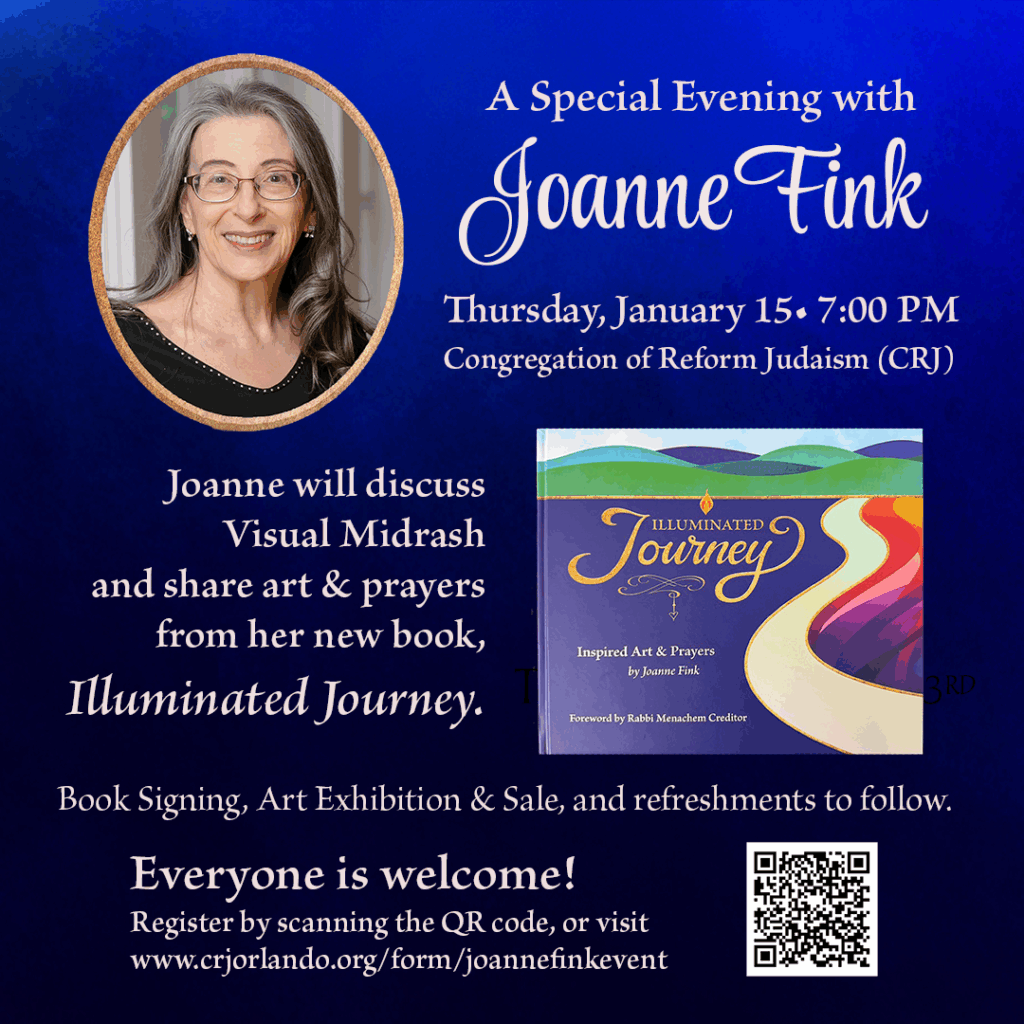
This week I’m writing from Orlando, where I’m getting ready to launch my new book, Illuminated Journey, share some of my new art (and prints from the book!), and offer a talk on Visual Midrash, followed by a book signing at the Congregation of Reform Judaism on Thursday, January 15th.
In honor of the book launch, here are a few spreads from the book:

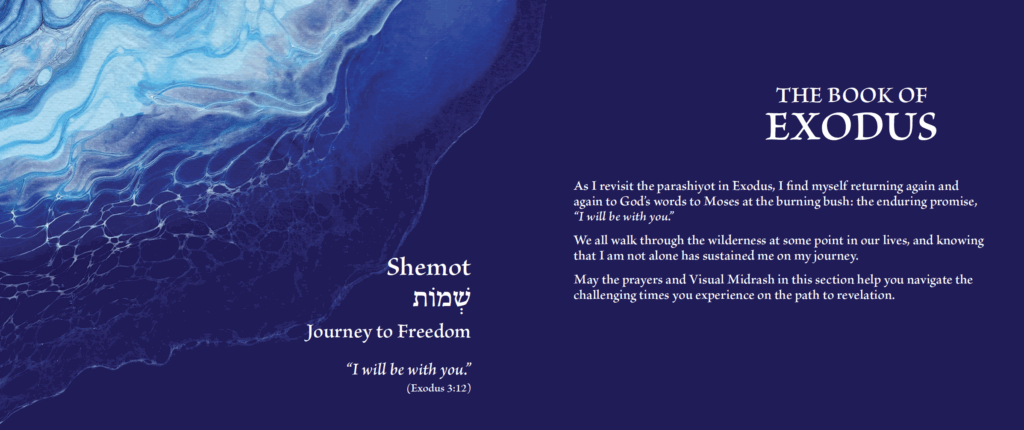

In the burning bush story, Moses doesn’t set out looking for holiness. He’s working. He’s tired. He’s doing what he does.
And then Torah says: pay attention.
The voice calls him to stop, to turn aside, to notice—and to honor the moment with humility: “Remove your shoes from your feet, for the place on which you stand is holy ground.”
I love that the Torah doesn’t insist holy ground is limited to a sanctuary or mountaintop. Sometimes it’s the patch of earth beneath you when you finally pause long enough to realize you’re not alone.
That’s part of what I hope to share in my Visual Midrash lecture: that art can be a spiritual practice of turning aside—a way of paying attention, listening with the eyes, and allowing Torah to meet you in color, line, symbol, and light. When we create (or truly see) Visual Midrash, we aren’t just illustrating a text. We’re letting the text illuminate us.
And in a world that can feel overwhelming, that practice matters. Because attention is not neutral. What you choose to see shapes how you choose to live. And Exodus reminds us: liberation begins the moment you notice something out of the ordinary… something infused with holiness… and refuse to look away.
My prayer for this week: “Holy Ground”
May the continuously unfolding
Divine Essence
“Ehyeh asher ehyeh”
that Was…
that IS…
that Will Be
Hold us…
Hallow us…
Heal us…
Strengthen, support, and suffuse us
as we stand on Holy Ground.

Guided Journaling Questions
- What helps you remember that the Divine is with you in the becoming, not only after everything is resolved?
- What is your personal Mitzrayim (the narrow place) at this moment in your life?
- What name—or names—are you carrying right now (parent, caregiver, seeker, builder, healer, survivor, friend)? Which needs compassion? Which requires courage?
- If liberation is a path made of many small choices, what is one freeing choice you can make this week?
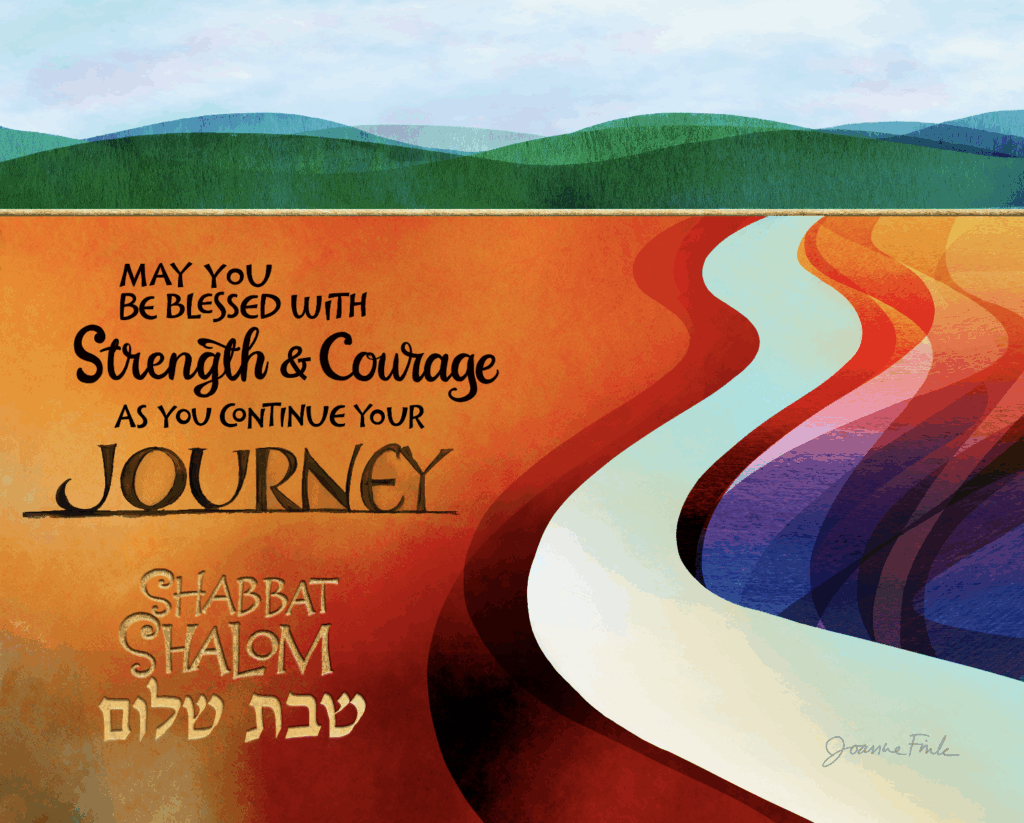
Closing blessing
As we begin the Book of Exodus,
may we remember that liberation is a journey—
made of many small choices
and holy acts of courage.
May we be blessed
to loosen what constricts us,
to hear the call that awakens us,
and to join hands and walk toward freedom
with compassion and resolve.
May we feel held by love,
bolstered by community,
and guided by the continuously unfolding Divine Presence
that Was… that IS… that Will Be—
who holds us, hallows us, heals us,
and strengthens, supports, and suffuses us
as we stand on Holy Ground.