
Parashat Ha’azinu | Deuteronomy 32:1–52 | Shabbat Shuva
We are standing in the sacred space between Rosh Hashanah and Yom Kippur.
The new year has begun, but the gates remain open. We are still reflecting, seeking forgiveness, repairing relationships, and considering how we want to live in the year ahead.
This Shabbat is known as Shabbat Shuva—the Shabbat of Return. Its name comes from the opening words of the special Haftarah reading: Shuva Yisrael—“Return, O Israel.”
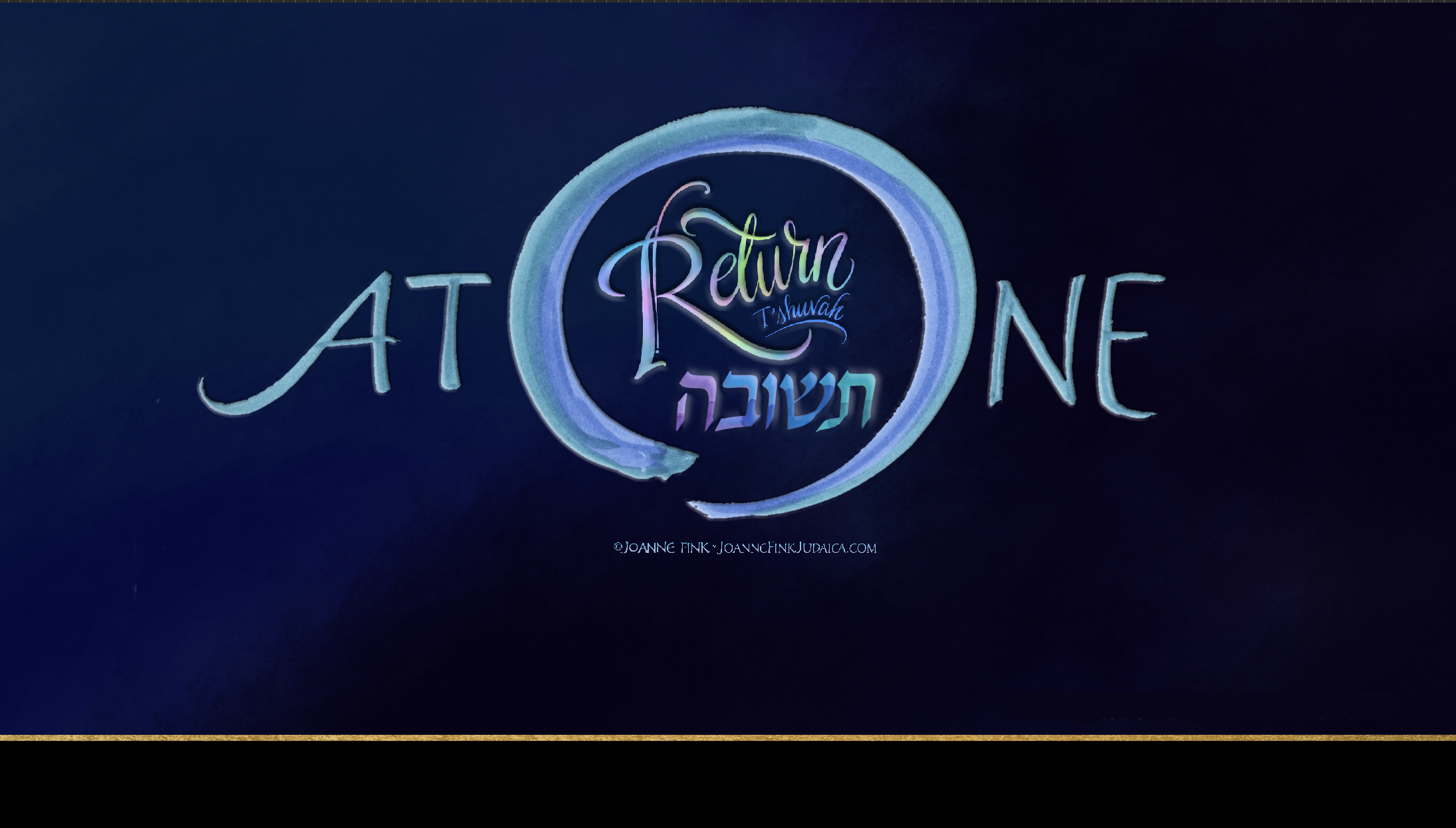
The word atonement can be understood as “at-one-ment”—the process of repairing what has been fractured and returning to a sense of wholeness within ourselves, with one another, and with the Holy One.
Return is at the heart of teshuvah. We return to our values, our purpose, the people we love, the Holy One, and the truest parts of ourselves.
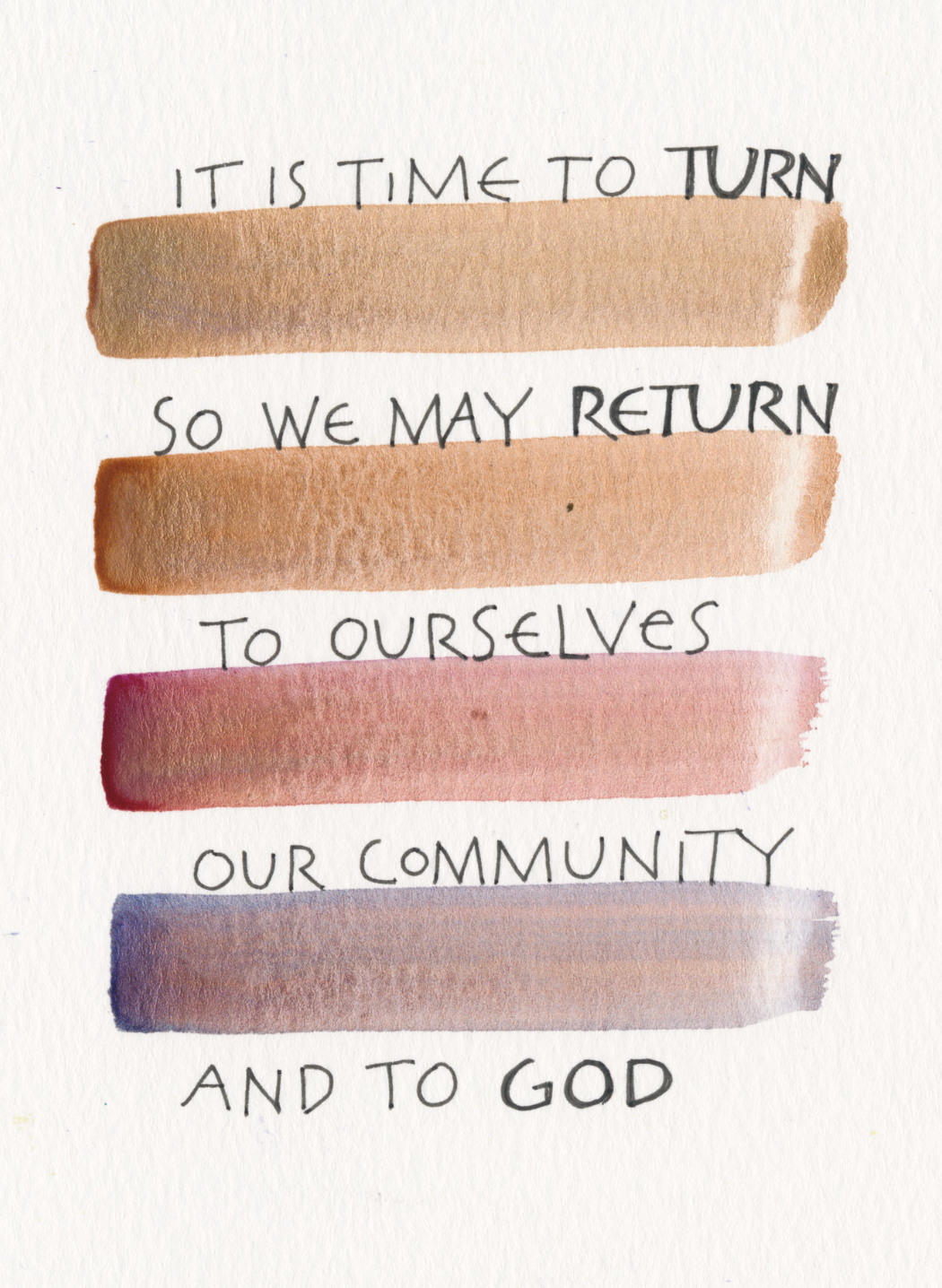
But returning does not always mean going back to the way things were. Sometimes the life we once knew is no longer available to us. Sometimes we must find our way forward without knowing exactly where the path will lead.
In those moments, returning becomes a way of beginning again.
Guided on the Journey
Parashat Ha’azinu is Moses’ final song to the Israelites.
Knowing that he will not accompany them into the Promised Land, Moses calls upon heaven and earth to bear witness as he recounts their history, reminds them of the consequences of their choices, and urges them to remain connected to God.
Within this powerful poem is an image of extraordinary beauty:
“As an eagle awakens its nest,
hovering over its fledglings,
it spreads its wings,
taking them and carrying them on its pinions.
God guided them.”

The eagle does not prevent its young from leaving the nest. It awakens them and encourages them to use their wings. But it also hovers nearby, ready to support and carry them.
The work of teshuvah is ours to do. We are responsible for looking honestly at our lives, acknowledging where we have missed the mark, asking forgiveness, making amends, and choosing how we will move forward.
But we do not have to make the journey alone.
We are sustained by the people who walk beside us, the communities that surround us, the traditions that ground us, the spiritual practices that provide a path to connection, and the Source of strength and hope that carries us when our own strength falters.
There are times when we soar confidently and times when we struggle to stay aloft. There are times when the path seems clear and times when we cannot see beyond the next step.
Ha’azinu reminds us that even in moments of uncertainty, we can listen for guidance, trust that we are held, and continue moving toward the people we hope to become.
Here is my prayer for Parashat Ha’azinu.
Seeking
Holy One,
I have climbed the
arduous mountain path
to stand before the gates
as they are about to close.
Seeking forgiveness.
Seeking to return to myself.
Seeking to return to You,
and to the joy this world once held.
Guide my footsteps as I continue my journey.
Help me grow into the best person
I am capable of becoming.
Deploy me to do Your will
and allow me to use my innate gifts
to make a difference in the world.
Keeping Hope in Our Hearts
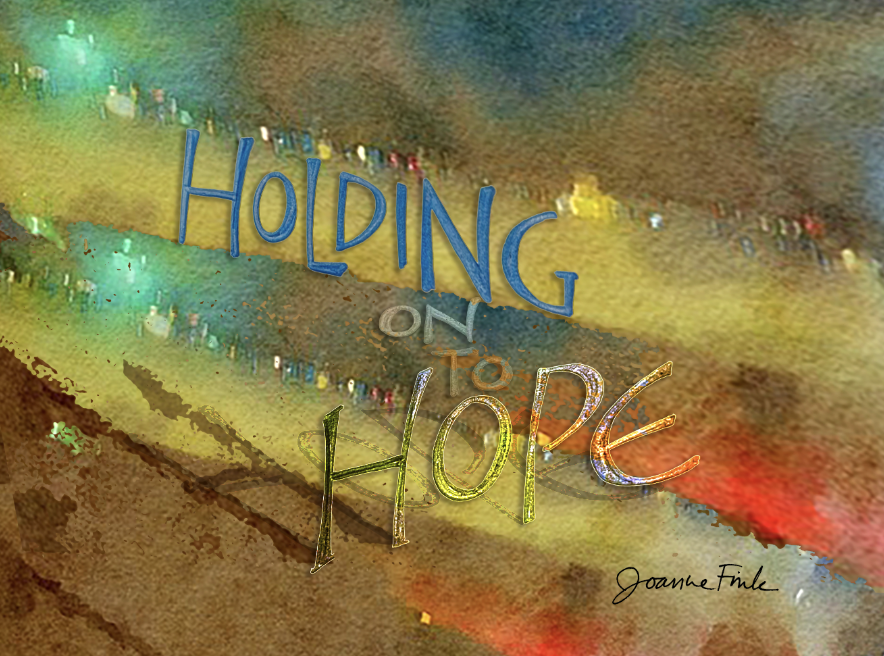
Hope can be difficult to hold onto when we are living with uncertainty, grief, illness, fear, or circumstances we cannot change.
And yet, these are the times when we need hope most.
Hope does not require us to deny the difficulty of what we are facing or pretend that everything will turn out the way we want. It does not ask us to ignore our pain, suppress our fear, or look away from the brokenness in our lives and our world.
Hope makes room for the possibility that even when we cannot see the entire path, another step is possible.

Hope reminds us that darkness and light can coexist, that our lives continue to hold meaning, and that we can still bring love, kindness, and blessing into the world.
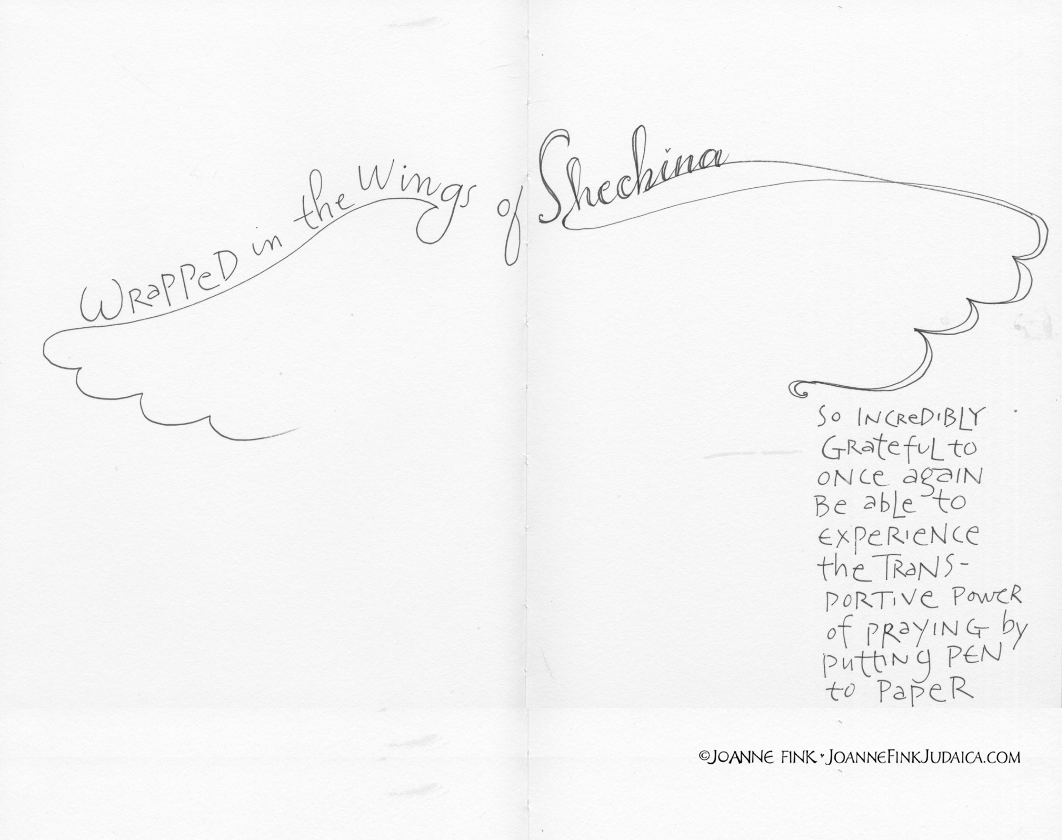
Perhaps hope is one of the wings that carries us when our own strength falters.
The hope another person holds for us can help sustain us when we are feeling hopeless and overwhelmed. A loving presence, a caring word, an unexpected kindness, a prayer offered on our behalf—each can become a feather in the wings that carry us.
We can also nurture hope through intentional practice. For me, this usually involves putting pen to paper, as I wrote in the journaling page below.
We can look for one small spark of light each day. We can spend time with people who help us feel less alone. We can remember the challenges we have already survived and the people who helped us through them. We can reach out to someone who is struggling and help hold hope for them.
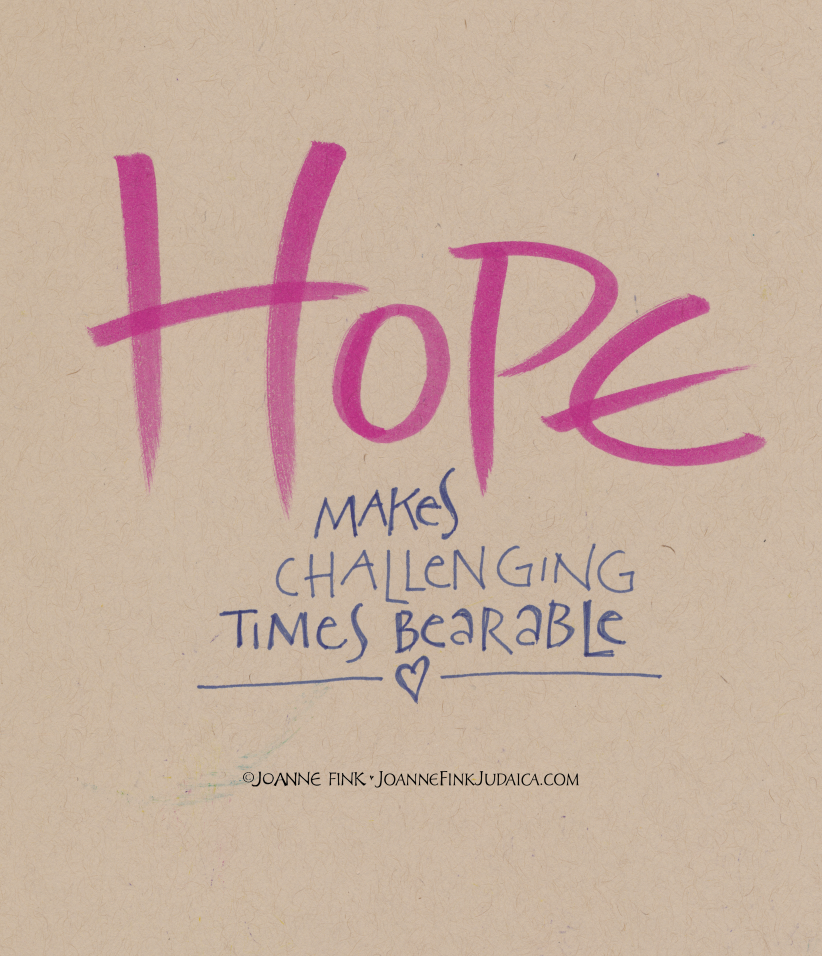
Hope may not change what we are facing, but it can change how we face it.
As we approach Yom Kippur, we acknowledge our human frailty and the many ways we have missed the mark. But we also affirm our capacity to make different choices, repair what we can, and begin again.
We do not know what will be written in the year ahead. We can only step forward with open hearts, guided by our values and sustained by the hope that transformation remains possible.
Journaling for the Journey
- Where are you seeking to return in your life?
- What helps you hold on to hope during challenging times?
- Who has carried hope for you when you could not hold it for yourself?
- What would it look like to make hope an intentional daily practice?
- Who in your life may need you to hold hope for them?
A Blessing for the Journey
May we find the courage
to look honestly at our lives
and the strength to repair what we can.
May we listen for the guidance
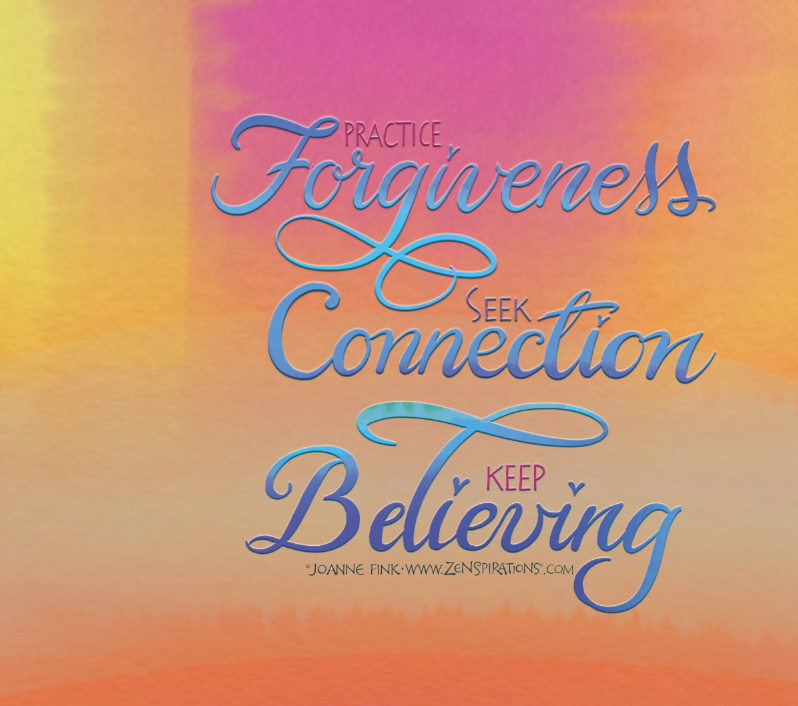
that will lead us toward forgiveness,
connection, and greater wholeness.
May we recognize the wings
that carry us when we falter,
and may we help carry others
when they need support.
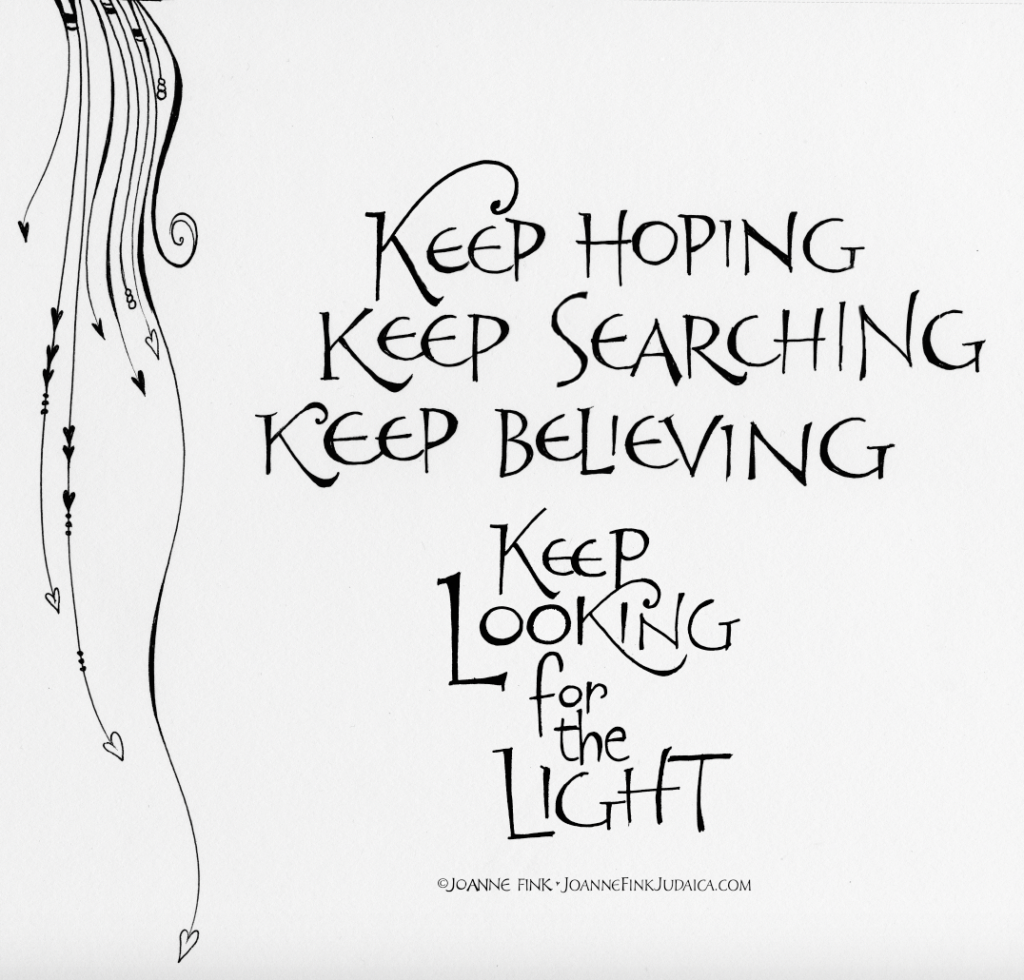
May we keep hope in our hearts,
even and especially during challenging times.
And may we enter Yom Kippur
ready to return, renew,
and begin again.

G’mar Chatimah Tovah. May we all be sealed for a year of healing, hope, blessing, and peace.
Enjoyed this post? Sign up to receive Joanne’s blog directly in your inbox.